Although Whippets are known for their fast, slim, and aerodynamic bodies, not all of them fit thismold. Youmay have noticed some Whippets with an unusually muscular physique– more akin to a bodybuilder or wrestler. This condition, known as Bully Whippet Syndrome, is caused by a genetic mutation that affects muscle developmentand can have important implications for a dog’s health and quality of life.
Myostatin deficiency,also commonly referred to as“Bully Whippet Syndrome”, “MSTN mutation”, or the “Bully gene”, is an autosomal inherited recessive trait that makes the Whippet breed appear heavily muscled.Themyostatin gene (also known as the MSTNgene) regulates and limits skeletal muscle growth.
Which Dog Breeds are Affected?
Myostatin (MSTN) mutations can occur in other species or dog breeds, but Bully Whippet Syndrome is most well-documented in Whippet dogs.
Physical Traits and Health Risks of the Bully Gene
Dogs with two copies of the Bully gene may display the following signs:
Some experts have raised concerns about potential additional strain on the heart and organs due to increased muscle mass, although evidence is limited.
Can Bully Whippet Syndrome be Prevented?
The risk of myostatin deficiency in puppies can be minimized by practicing selective breeding and genetic screening.
How to Know If Dog is At Risk
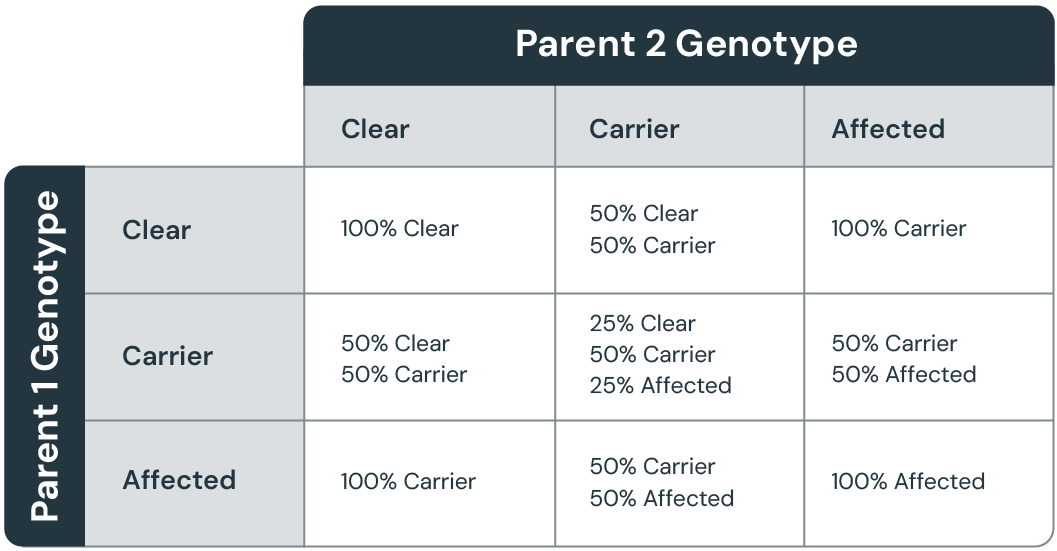
A DNA test can determine your dog’s genetic status for this mutation by looking at the genotypes from both parents. Dogs with one or two copies of the mutation are affected by myostatin deficiency.
CLEAR: those having 2 copies of the normal allele and appear to be normal
CARRIER: those having 1 copy of the normal allele and 1 copy of the Myostatin Deficiency (Bully) mutation but appear to be normal
AT RISK: those having 2 copies of the Myostatin Deficiency (MSTN) mutation appear to be more heavily muscled
Treatment for Bully Whippet Syndrome
If your dog has Bully Whippet Syndrome, it is important to visit a veterinarian for specialized care. Your pup may require more frequent checkups and a tailored diet to maintain a healthy weight.
Test Your Whippet with Breedwise DNA
If you are an owner, breeder, or veterinarian with Whippets, genetic testing is an important tool for protecting future generations of pups. A bully whippet DNA test can determine your dog’s genetic status.
The Breedwise DNA Myostatin Deficiency in Whippets test can identify if your dog is a carrier of the mutation. Simply order a test online, collect a cheek sample, and send it back to our lab for results within 3 weeks. With Breedwise DNA, you can expect exceptional accuracy from an accredited lab and reliable results.
Frequently Asked Questions
Is the Bully Gene dangerous?
When a dog has one copy of the “Bully” mutation gene (heterozygous), its appearance is not markedly different from its peers; however, it may have a performance advantage when racing. But if a dog has two copies of the mutation (homozygous), then the double-muscling is expressed and performs poorly at racing. While not always fatal, Bully Whippet Syndrome can be associated with health complications or reduced athletic functions.
Can Bully Whippet Syndrome be cured?
There is currently no cure for Bully Whippet Syndrome.
What animals are affected by Bully Whippet Syndrome?
Bully Whippet Syndrome specifically affects Whippets, a breed of dog. However, myostatin deficiency, the genetic mutation responsible for it, can also occur in other dog breeds and animals.
Bully Whippet Syndrome is nicknamed “Bully” because similar traits are commonly seen in cattle and sheep through selective breeding. Myostatin deficiency is also seen in mice, and on rare occasions, humans.
Can I test for Bully Whippet Syndrome?
Yes, a DNA test can reveal if a Whippet has Bully Whippet Syndrome or is a carrier.
The Myostatin Deficiency in Whippets test from Breedwise DNA offers a fast, affordable way to identify whether your dog is Clear, a Carrier, or At Risk for Bully Whippet Syndrome
Discover What Their DNA Has to Say
Back your care with reliable DNA insights built on proven science and rigorous testing.