Description
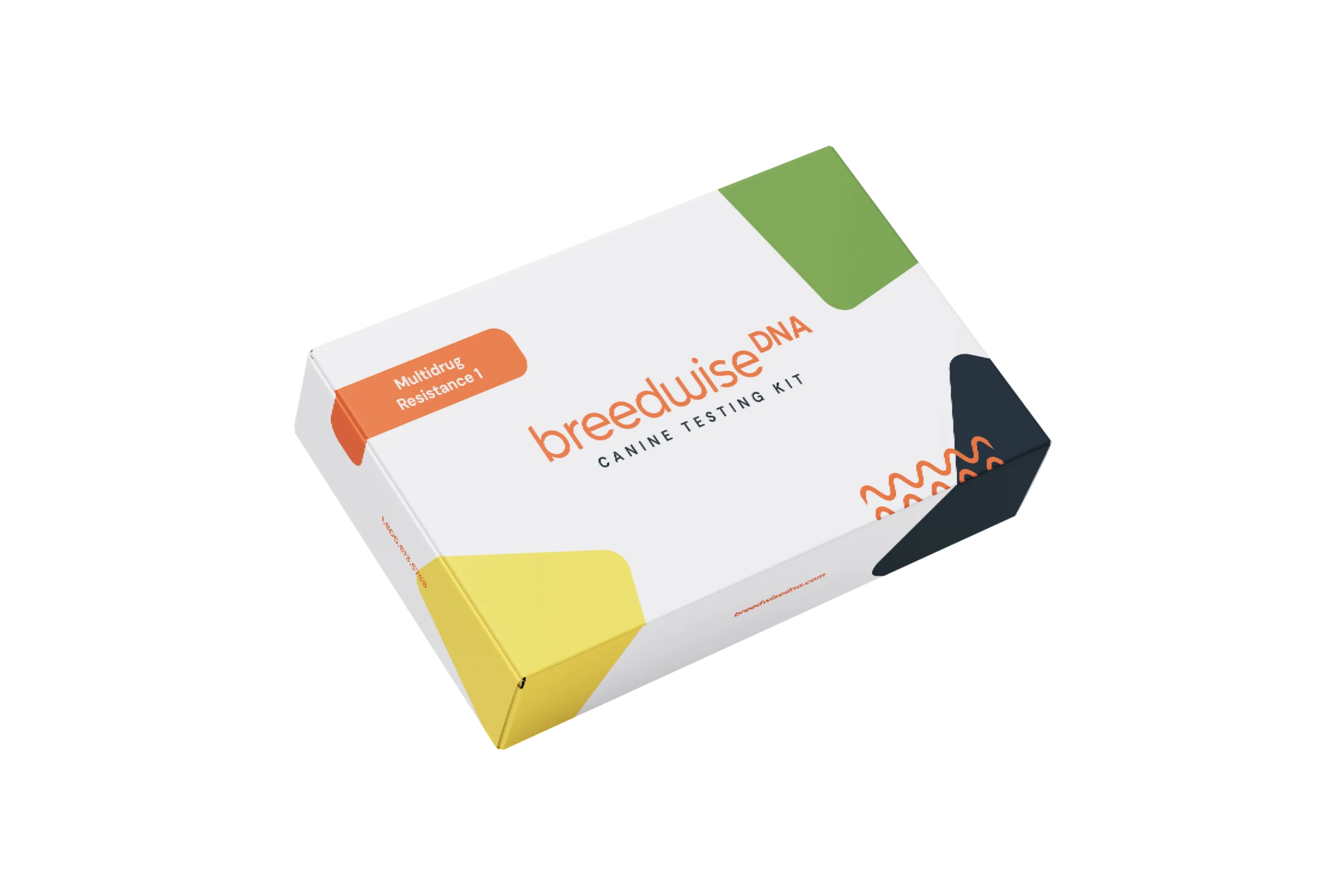
What is Multidrug Resistance 1?
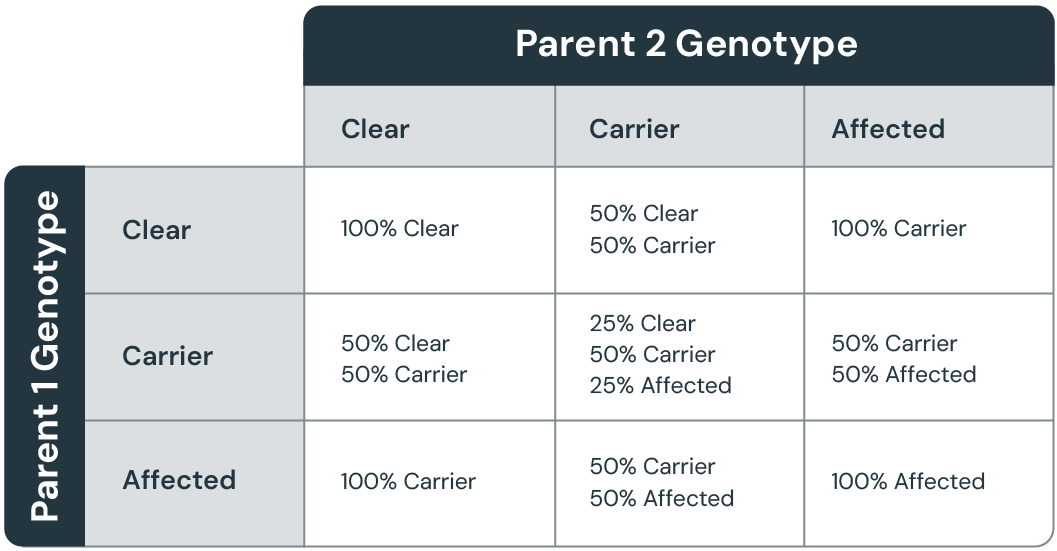
Multidrug Resistance 1 is inherited as an autosomal incomplete dominant disease. Dogs only need to inherit one copy of the MDR1 mutation to be at risk for sensitivity to certain drugs. Dogs with 2 copies of MDR1 can have more severe reactions.
Understanding Results
There are 3 possible genotypes reported for Multidrug Resistance 1:
- CLEAR: those having 2 copies of the normal allele and appear to be normal
- CARRIER: those having 1 copy of the normal allele and 1 copy of the mutation, with an increased risk of drug sensitivity
- AFFECTED: those having 2 copies of the mutation are at risk for adverse drug reactions
P-glycoprotein is a pump that removes certain drugs and toxins from the body. A mutation in the ABCB1 gene associated with MDR1 prohibits P-glycoprotein’s ability to limit absorption, distribution, and excretion of drugs. Dogs with one copy of the MDR1 mutation can have some drug sensitivity. Dogs with two copies of this mutation can experience more serious neurologic symptoms like excess salivation, tremors, anorexia, blindness and possibly death. The following is a list of drugs known to cause reactions:
Acepromazine (tranquilizer), butorphanol (pain control), doramectin, doxorubicin, emodepside, erythromycin, ivermectin (found in heartworm medications), loperamide (anti-diarrheal agent), milbemycin, moxidectin, paclitaxel, rifampin, selamectin, vinblastine (anti-cancer agent), vincristine and vinorelbine
IMPORTANT
You should inform your veterinarian if your dog is a MDR1-carrier or MDR1-affected so they can give your dog the adjusted dosage or an alternative medication. Other medications not listed may also cause a reaction.
Have a question about dog DNA testing?
Get a free consultation with our animal genetics team.